There’s a certain comfort in stepping into warm water on a cool morning or staying in your pool long after summer ends. If you’re tired of cold early-season dips, a solar pool heater can offer a steadier option.
This buying guide will help you understand how these systems work, the main choices available, the factors that shape your setup, and what you can expect from daily use.
Before diving into the details, it helps to picture what a solar pool heater actually brings to your backyard. These systems quietly turn sunlight into warm, swim-ready water, letting you enjoy your pool longer without the hassle of noisy machines or high bills. Understanding the overall process first makes it easier to see why solar heating has become a favorite choice for homeowners.
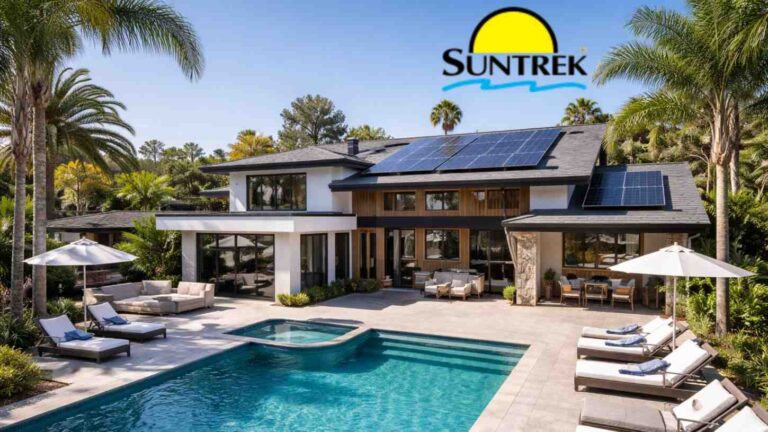
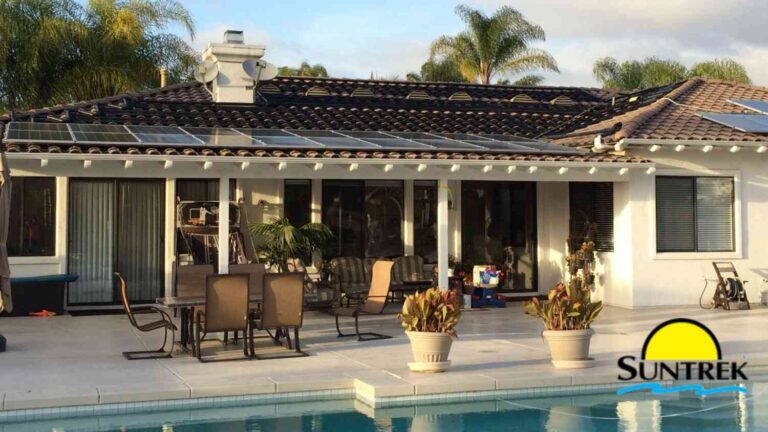
A typical setup includes solar collectors, a controller, a sensor, and pipes that connect everything to your existing pump and filtration system. Collectors are usually placed on a roof or a ground rack where they can receive steady sunlight. Sensors read pool and panel temperatures so the system knows when to start and stop the flow.
Most systems focus on heating, but some setups can cool your pool as well. Running water through the collectors at night helps release heat into the air, which is helpful when pool temperatures climb too high during hot months.
Many property owners have made the switch to solar pool heaters because of everything solar power has to offer. Homeowners are satisfied with the results and increasingly choose this solution for their pools. If you’re considering making the change, here’s what you can look forward to when you go solar.
Gas and electric heaters can add hundreds of dollars to a monthly bill during peak swimming months. A solar heater uses sunlight, so the running cost stays low. Most of the expense comes from the initial installation rather than ongoing fees. Many people recover their investment after a few seasons of regular use.
Solar heating warms your pool without burning anything, which means no fumes, noise, or tank refills. This clean operation makes it easy to run the system daily without worrying about waste or strong odors around your yard.
With solar, families often enjoy their pools for two to four extra months each year. Warmer regions get even more benefit because the mild climate works well with sun-driven heating.
Solar collectors today are built with stronger materials that resist fading, cracking, and leaks. Smart controllers also make the system easier to manage. These updates help the equipment last longer and deliver steady results even during mild weather.
Choosing the right solar pool heater depends on your pool size, layout, and desired performance. Suntrek offers two proprietary collector systems, each engineered to meet specific needs while providing efficient, long-lasting warmth.
Suntrek ST (Polypropylene)
The ST system is Suntrek’s standard modular collector, designed for straightforward installations on typical roofs. Made from UV-stabilized polypropylene, these rigid panels efficiently absorb sunlight to heat your pool. Panels are available in three sizes:
The ST system comes with a 10-year warranty, giving peace of mind and consistent performance for years to come.
H3: Suntrek CUSTOM (EPDM Elastomer)
The CUSTOM system is a flexible, custom-built solution for pools with unique layouts, tight spaces, or unusual rooflines. Made from EPDM rubber, these collectors adapt to obstacles such as vents, chimneys, or skylights without compromising efficiency.
Panel specs:
The CUSTOM system comes with a 15-year warranty and an expected lifespan of 20+ years under normal operating conditions.
Both systems deliver efficient solar heating, allowing pool owners to enjoy warmer water and extended swim seasons. Suntrek’s proprietary designs provide options for standard installations or fully customized setups, ensuring that each pool gets the right solution for its specific requirements.
Also Read: So What’s the Best Heating Solution for My Pool?
When comparing heating options, it helps to understand how each system behaves in daily use. Every heater works well for certain needs, but solar stands out for long-term comfort and savings.
Gas heaters warm water relatively quickly, making them ideal for spas or when you need a hot pool on short notice. They respond almost instantly, which is great if you decide to swim spontaneously. However, the use of a gas heater comes with large operating costs.
Heat pumps extract heat from the surrounding air and transfer it to your pool water. They perform efficiently in warm, humid climates. In cooler weather, the process takes longer, and heating can 3-5 times longer than a gas heater.
Electric resistance heaters use electric elements to directly warm the water. They are compact and work well for small or occasionally used pools. While reliable for targeted heating, they can struggle to maintain even temperatures in larger pools or during frequent daily use.
Solar systems circulate pool water through panels or collectors that absorb the sun’s energy. This method gradually warms the water and maintains a consistent temperature over time. Properly installed solar setups provide dependable heat for regular swimming and are particularly effective in sunny climates.
A solar pool heater performs best when matched to your pool size, climate, and sun exposure. Thinking through these points early will help you build a system that actually reaches the warmth you want.
Your location has a major impact on how well the system works. Pools in sunny areas heat up quickly with fewer panels. In cooler areas, you may need more collector area or glazed panels to achieve the desired temperature.
Bigger pools need more collectors because they hold more water. Deeper pools also take longer to heat, so sizing becomes important. A good installer will measure the surface area of your pool and recommend the right number of panels based on that number.
Proper sizing is critical for achieving the performance you expect. An undersized system won’t adequately heat your pool, while an oversized system wastes money. Several factors determine the number of solar collectors needed for optimal heating.
Your pool’s size and depth influence how your solar heater should be built. Larger or deeper pools need more heating support, and Suntrek sizing and design ensures the system matches your pool’s exact needs.
A skilled installer will assess both surface area and depth to determine the ideal number of panels and layout for efficient performance. For instance, an oval pool around 16 by 32 feet has roughly 400 square feet of surface area.
Optimum coverage ranges from 80-100% of your pool’s surface area for best results. In warm, sunny climates with minimal wind, 50-70% coverage still provides noticeable heating. For moderate climates or partially shaded locations, target 70-80%, and for cooler areas or year-round heating, 80-100% is recommended. Proper sizing and thoughtful design help ensure your pool reaches comfortable temperatures consistently and efficiently.
Several conditions can affect collector sizing. Enclosures or pool screens may reduce heat transfer. Pools with regular covers often need slightly less coverage, while windy locations or limited sunlight may require additional collector area. East and west-facing installations need 15-20% additional panel area compared to south-facing roofs. Heating a spa alongside your pool or having a depth over 6 feet also increases needed collector area.
Suntrek’s CUSTOM elastomer collectors and ST polypropylene panels provide flexibility for sizing adjustments. CUSTOM panels are perfect for roof obstacles, irregular layouts, or tight spaces, while ST panels are ideal for standard installations. Both options ensure your system fits precisely without compromising performance.
Local climate affects how much solar collector area your pool needs. In Southern California, where sunlight is abundant and temperatures are warmer, standard sizing is usually sufficient to maintain comfortable water temperatures. Northern California’s cooler and cloudier conditions may require slightly larger systems to achieve the same results.
Altitude can also play a role, especially in inland or mountainous areas, where cooler air and occasional wind can reduce heating efficiency. Adjusting collector area for these conditions helps ensure your solar pool heater performs consistently across the state.
Costs vary based on system type, panel size, and installation complexity. Unglazed systems usually fall on the lower end, while glazed and hybrid setups cost more. A solid mid-range system for a standard home often lands somewhere in the middle.
Your pump must push water through the collectors at the right speed. Some older pumps may need an upgrade if they struggle with added flow resistance. Your installer will check your current setup and confirm compatibility.
Ease of installation affects cost and timing. Straightforward roof lines, short pipe runs, and simple plumbing needs often lead to lower fees and faster setup.
Many people appreciate how straightforward solar pool collector installation can be once the system is properly planned. A trained Suntrek crew can usually complete the setup within one or two days, depending on the number of collectors and your home’s layout.
As of January 1, 2026, California’s updated Title 24 Building Energy Efficiency Standards change how pools can be heated. Gas-only heaters are no longer allowed as the primary heating source for new pool installations or major replacements. Compliant options include:
These changes apply to new pool construction, adding heating to an existing unheated pool, and replacing an existing pool heater. Repairs to existing heating components do not trigger the new requirements.
Solar pool heating systems like Suntrek ST and CUSTOM collectors meet Title 24 requirements as a renewable heating source. If you’re building a new pool or replacing your current heater in California, solar thermal is one of the simplest paths to compliance while eliminating ongoing fuel costs.
For projects outside California or repairs to existing systems, these requirements do not apply, but solar remains a cost-effective option regardless of location.
Care and maintenance stay simple with solar heating. Most systems need only a few minutes of attention each week to run well. Here are the key points to keep your setup in good shape year-round, and Suntrek’s service and maintenance support can help keep everything working at its best.
Read More: Winterization for Solar Pool Heating Systems: Protecting Your Investment
A solar pool heater can help you enjoy your pool more often. With the right system size, good sun exposure, and proper installation, you can enjoy steady heat for many seasons. If you want a system made with strong materials and built for long-term use, Suntrek can help you plan the setup that fits your pool and your property.
Many of the improvements you see in modern systems today came from long-standing solar companies such as Suntrek, which helped push stronger materials and smarter designs into the market. For homeowners ready to plan their solar pool heater, call Suntrek professionals to ensure expert guidance, proper sizing, and a system built to last for years of reliable warmth.