As the swimming season winds down, taking care of your pool goes beyond just cleaning. It’s time to think about winterizing your solar pool heating system. Even if you’re new to solar heating or working with a trusted solar company, knowing what winterization involves and why it’s important can make a big difference in protecting your investment and keeping your system running smoothly for years.
What Is Winterization?
Winterization is the process of preparing your solar pool heating system for the colder months when it won’t be in use. Doing it properly prevents damage, and ensures your system is ready to perform at peak efficiency when the swimming season returns. Here’s what it involves:
- Draining Water from Solar Collectors and Plumbing Lines
Water left in your system can cause cracks in pipes or collectors. Carefully draining the water prevents damage and keeps your solar panels and plumbing intact throughout the winter months. - Securing Roof Attachments
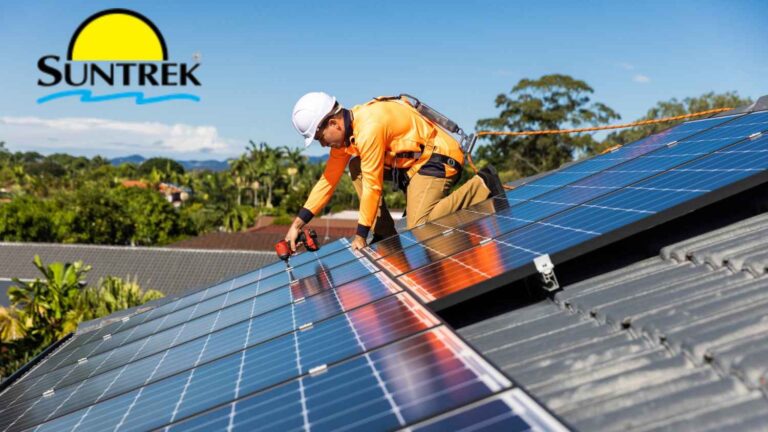
Solar collectors are often mounted on your roof, where strong winds or storms can loosen attachments over time. Checking and tightening all roof mounts ensures your panels stay safely in place and prevents leaks or structural damage. - Inspecting Components for Wear or Damage
Winter is a great time to examine your system for any signs of wear, corrosion, or damage. Catching issues early, such as worn valves, cracked pipes, or weakened seals, allows you to repair them before they become major problems during peak usage. - Adjusting Automation and Pump Settings
Most solar pool systems have automated pumps and controllers. Properly shutting down and adjusting these settings during winter ensures your system is not running unnecessarily and reduces pool ownership operating costs. - Protecting Against Freezing Conditions
The main goal of winterization is simple: prevent freezing damage. Proper drainage, inspections, and adjustments all work together to shield your solar pool heater from harsh weather, so it’s ready to deliver warm, comfortable water when swim season returns.
Why Winterization Is Important
Proper winterization is crucial for your solar pool heater during colder months. Even in regions with milder winters, freezing water can cause serious damage if your system isn’t prepared. Here’s why winterization matters:
- Prevents Pipe Damage: Water left in pipes can expand, causing cracks or splits. Draining the system helps maintain the integrity of your plumbing and avoids expensive repairs.
- Protects Panel Integrity: Solar panels contain small water channels and manifolds that are vulnerable to expansion from freezing water. Winterization keeps these components intact so your solar pool heater performs efficiently in the spring.
- Reduces Risk of Leaks: Even small cracks created by freezing can turn into leaks once the system is pressurized again. Proper preparation prevents these leaks and ensures smooth operation.
- Saves on Repair Costs: This event can lead to extensive damage, sometimes requiring full panel replacement. Winterization reduces the chance of expensive repairs, safeguarding your investment long-term.
- Maintains System Performance: Winterizing ensures that all components—pipes, panels, and valves—remain in top condition. This means your solar pool heater will be ready to deliver consistent warm water when the swimming season returns.
Can Freezing Happen Above 32°F?
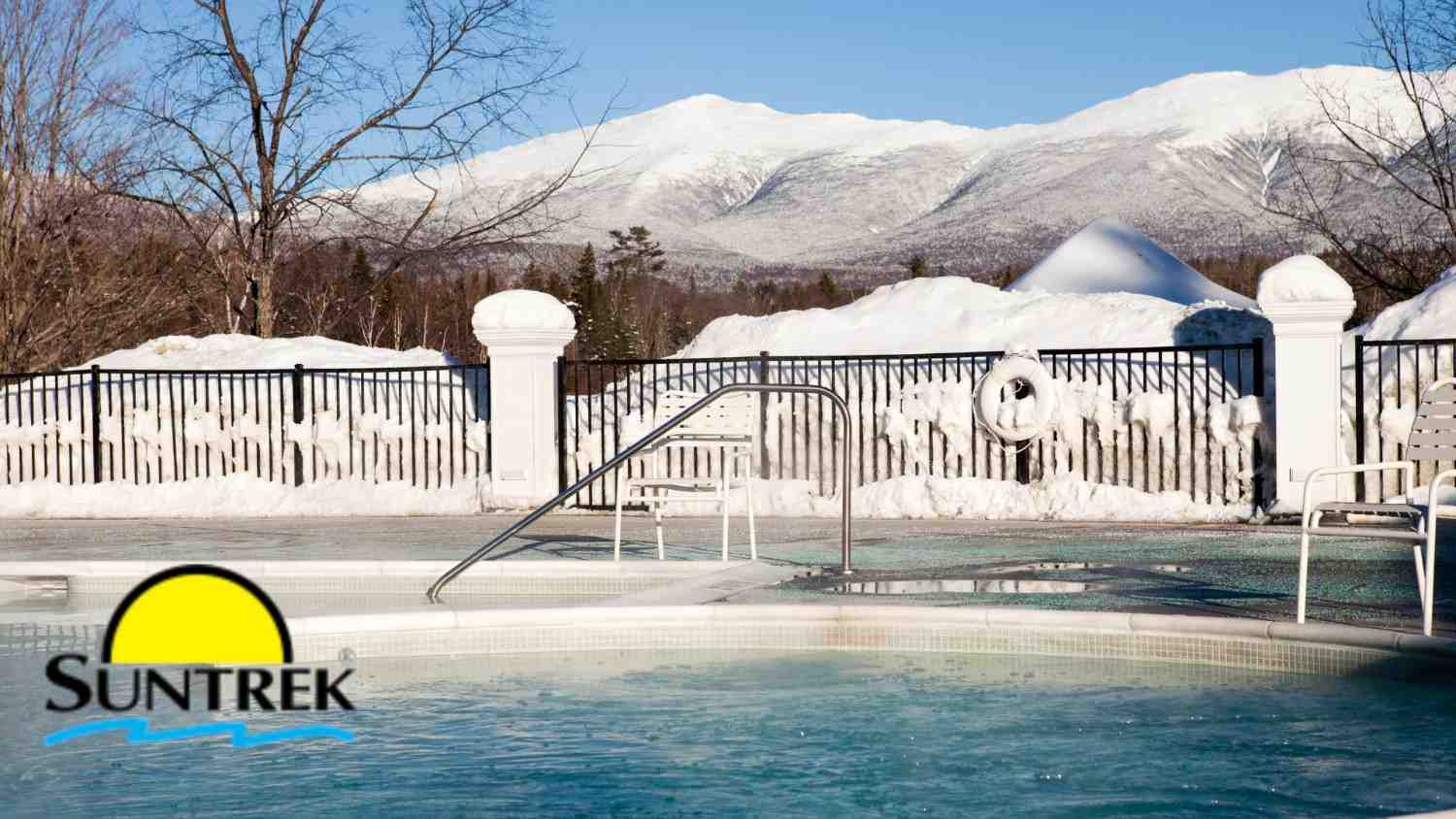
Yes. A common misconception is that your system is safe as long as the air temperature doesn’t dip below 32°F. But in reality, freezing can occur even when the air is slightly warmer.
Here’s why:
- Surface Temperature Matters: Solar panels, pipes, and other exposed parts can radiate heat into the clear night sky. This radiation heat loss can cause the surface temperature of your system to drop below freezing—even if the air is still a few degrees above 32°F.
- Calm Conditions Increase Risk: On still nights without wind, surfaces cool faster, making frost formation more likely.
- Moisture in the Air: With enough humidity, moisture can condense onto these cold surfaces causing frost or ice buildup.
The takeaway: Just because your weather app shows 34°F doesn’t mean your solar pool heating system is safe. Without winterization, conditions can still allow ice to form and cause serious damage.
How Freezing Damages Solar Systems
Skipping winterization can put your solar pool heating system at serious risk. Here’s what can happen when water is left in the system during freezing temperatures:
- Trapped Water in Collectors Freezes
Water inside the solar collectors expands creating pressure that can crack the panels. Even small cracks will require repairs or replacement. - Header and Manifold Damage
The fittings that connect your system, the headers and manifolds, are especially vulnerable. Freezing water can split, warp, or weaken these components, leading to leaks and uneven water flow. - System-Wide Stress
Frozen water doesn’t just affect individual parts. It can put strain on pipes, valves, and the entire circulation system, resulting in leaks, pressure loss, and reduced performance once you restart the system in spring.
Freezing is the silent enemy of solar thermal systems. Without proper winterization, your solar pool heater faces hidden threats that may not be visible until it’s too late. Taking preventive steps ensures your system runs efficiently when swim season returns.
Winterization vs. Shut-Down
Many pool owners assume that simply turning off their solar pool heater is enough to protect it during colder months, but there’s a big difference between shutting down and winterizing.
Shut-Down
Turning off your system stops the circulation of water and halts heating, which may seem sufficient. However, it does nothing to remove water trapped in collectors, pipes, or valves. Simply shutting down leaves your system vulnerable to damage, even if it appears inactive.
Winterization
Winterization, on the other hand, involves draining all water from the collectors and plumbing lines, checking roof attachments, inspecting components for wear, and adjusting automation for proper shutdown. This ensures that your solar pool heater remains dry, secure, and safe from freezing conditions.
DIY vs. Professional Winterization
Some solar pool heating systems are designed—or can be modified—for homeowners to winterize on their own. These setups allow water to drain back naturally, offering a straightforward way to prepare your system each year. For many pool owners, this DIY approach is sufficient, especially for smaller or simpler systems.
However, more complex systems often require technical expertise to winterize properly. For example, certain solar pool heaters need a blower to force water out of collectors and plumbing lines. Attempting this without the right tools or knowledge can leave hidden water in the system, increasing the risk of damage.
Advantages of Professional Winterization:
- Complete Water Removal: Professionals ensure every drop of water is cleared from collectors, pipes, and valves, preventing freeze-related cracks or leaks.
- Proper Equipment Handling: Using specialized tools like blowers and pressure gauges, technicians winterize systems safely and efficiently without risking damage to delicate components.
- Early Detection of Issues: A trained professional can inspect your system for wear, loose fittings, or minor damage before it becomes a bigger problem.
- Optimized System Performance: By correctly adjusting automation and pump settings, pros help maintain your pool system’s long-term efficiency and readiness for the next swim season.
Can System Design Help?
Yes. Modern solar pool heating systems can be designed with automatic drain-back features or plumbing layouts that minimize water retention. These design upgrades:
- Allow water to drain back to the pool or ground level when not in use.
- Reduce risk of freezing in colder climates
- Make seasonal preparation faster and easier
Peace of Mind for Pool Owners
While the unheated swimming season may last only 2–3 months, a well-maintained solar pool heater can extend your enjoyment well beyond that, keeping water in the ideal 78–88°F range for months longer.
Proper winterization ensures your system stays safe, efficient, and ready for use when the weather warms up again. By taking a few careful steps each fall—or relying on professional winterization—you secure uninterrupted warm water, longer swim seasons, and the peace of mind that your pool will perform exactly when you want it.
If you’re unsure whether your system can be safely winterized on your own, schedule a service visit. A professional will not only clear the system with the right equipment also verify that all attachments and components are secure for the off-season. Contact Suntrek to schedule your service and safeguard your pool heating investment.