
The industry standard for diverting water in pool and solar systems is the 3-way valve, commonly referred to as a “Jandy-style” valve. These valves can be operated manually or automated using a 24VAC valve actuator connected to a pool automation or solar control system. Although originally developed by Jandy Industries, this valve-and-actuator design has been adopted by Pentair and Hayward, making actuators and valves interchangeable across manufacturers. This article explains how valve actuators work, why they fail, and how to diagnose the most common solar heating issues caused by actuator misconfiguration.
A keyed spline on the valve stem aligns the internal diverter with the actuator shaft. To install an actuator, the valve handle and four valve screws are removed. The actuator is then secured using longer screws supplied with the actuator. Once installed, the handle no longer turns the valve manually but serves as a visual indicator of the diverter position.
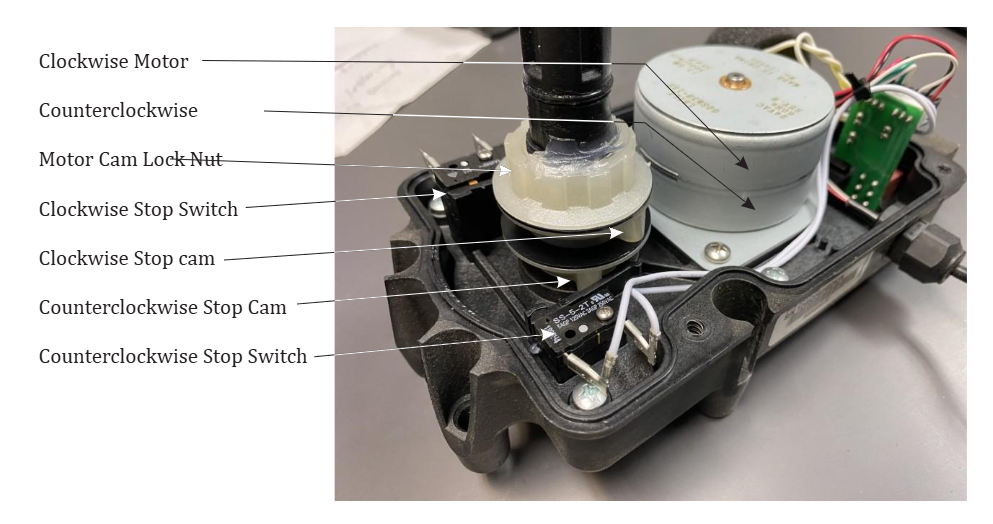
Inside every 24VAC actuator are two small motors—one for clockwise rotation and one for counterclockwise rotation. Two adjustable cams on the main shaft engage microswitches that stop each motor at the correct position. These cams are factory-set to allow a 180-degree rotation. The actuator receives power through a three-wire cable consisting of two power leads
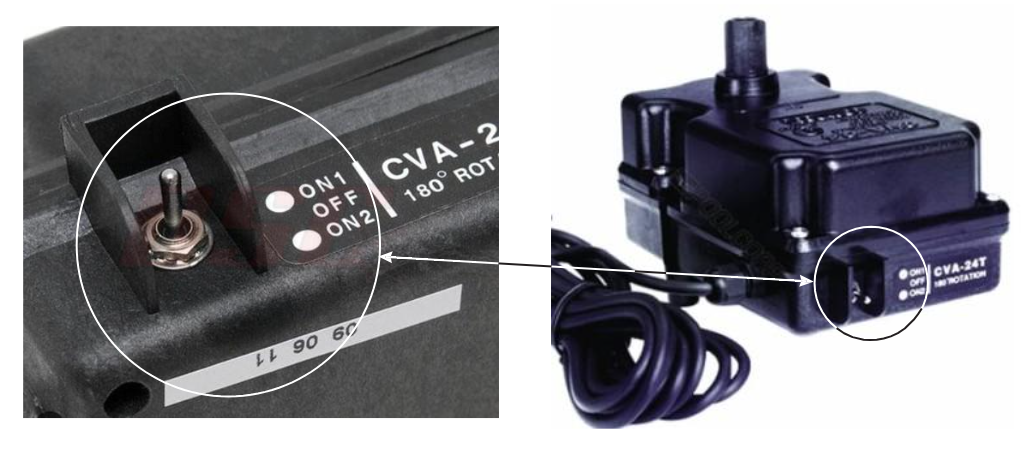
Because manufacturers do not know how installers will plumb a 3-way valve, actuators include a three-position toggle switch labeled ON1, OFF, and ON2. This switch reverses the direction of rotation or disables the actuator entirely. During startup, the installer sets the switch to match the plumbing configuration. In theory, the switch should never need to be touched again.
The most common cause of solar heating failure is a flipped actuator toggle switch. Pool service technicians often flip the toggle switch, instead of disabling solar at the control panel, when vacuuming or backwashing. If the switch is not returned to the correct position, the solar system may be locked OFF or divert water in the wrong direction, thus shutting down the solar on warm days and even sending water up to the roof to cool at night when the homeowner tries to use the spa.
This single mistake accounts for the majority of ‘solar not heating’ service calls. Many homeowners are unaware this switch exists until a technician flips it back and hands them a service bill.
When solar is activated, the filter pressure gauge should rise. If pressure drops when solar turns on, the actuator is reversed—100% of the time. If there is no pressure change, the actuator may be left in the OFF position. This diagnostic can often be performed with the customer over the phone.