
Home » Solar Pool Automation for Inground Pools
Solar Pool Automation for Inground Pools
Inground pools often require larger collector arrays and higher flow rates than above ground setups. Suntrek’s solar pool automation systems for inground pools are sized to match, with controllers and valves rated for continuous operation.
The system connects to your existing pump and filtration equipment. Sensors monitor temperatures and adjust flow automatically. No manual valve adjustments, no wasted circulation.
Showing 33–39 of 39 results
-
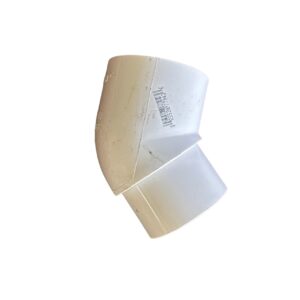
45 Degree Street Elbow, Schedule 40 PVC
$7.50 Add to cart -
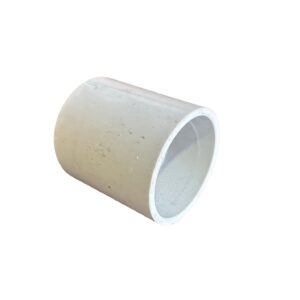
Coupling, Schedule 40 PVC
$4.50 Add to cart -
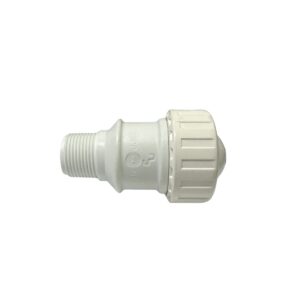
Vacuum Relief Valve for Suntrek ST
$69.99 Add to cart -
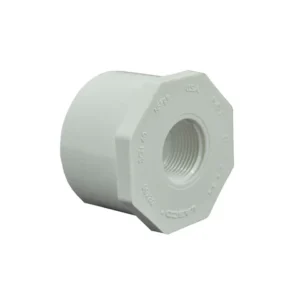
2″ x 3/4″ Schedule 40 PVC, Reducer Bushing, Spigot x FPT
$8.99 Add to cart -
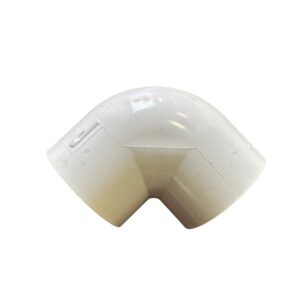
90 Degree Elbow, Schedule 40 PVC
$4.50 Add to cart -
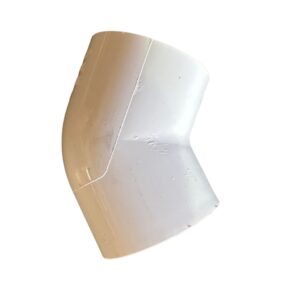
45 Degree Elbow, Schedule 40 PVC
$7.50 Add to cart -

WeatherMaster Ultimate MP Sealant (Single Tube)
$30.00 Add to cart
How Automated Solar Pool Heating Works
Solar pool automation removes the guesswork from heating your pool. Instead of manually opening and closing valves based on weather or time of day, the system monitors conditions and responds on its own.
Temperature Monitoring
The system continuously tracks two temperatures: the water inside your solar collectors and the water in your pool. When the collector temperature rises above the pool temperature by a set amount, the controller recognizes conditions are right for heating.
Valve Operation
Once the controller detects a useful temperature difference, it signals the valve actuator to open. Pool water then flows through the collectors, absorbs heat, and returns to the pool warmer than it left. This cycle continues as long as conditions remain favorable.
When collector temperature drops (cloud cover, late afternoon, evening), the controller closes the valve. The collectors then drain back to the pool automatically, preventing heat loss through the panels overnight.
Target Temperature Control
You set your desired pool temperature once during setup. The system works toward that target whenever conditions allow. On sunny days, the system may run for several hours. On partly cloudy days, it may cycle on and off as conditions change. You don’t need to monitor or adjust anything.
Read More
Control Components
Suntrek automation relies on two primary components that work together to manage your system.
Pentair Solar Touch Controller
The controller is the brain of the system. It receives temperature data from sensors, determines when heating is beneficial, and sends signals to the valve actuator. The unit mounts near your existing pool equipment and connects to sensors, valves, and power.
The controller handles:
- Reading collector and pool water temperatures
- Calculating temperature differential
- Sending open/close signals to the valve actuator
- Managing drain-back timing when heating stops
Compool Valve Actuator
The valve actuator physically controls water flow. It attaches to a Pentair Solar Valve and responds to signals from the controller. When the controller calls for heating, the actuator opens the valve and routes water through the collectors. When heating stops, the actuator closes the valve.
The Pentair Solar Valve is designed to allow collectors to drain back to the pool when the valve closes. This protects the system from heat loss overnight and from freeze damage in colder conditions.
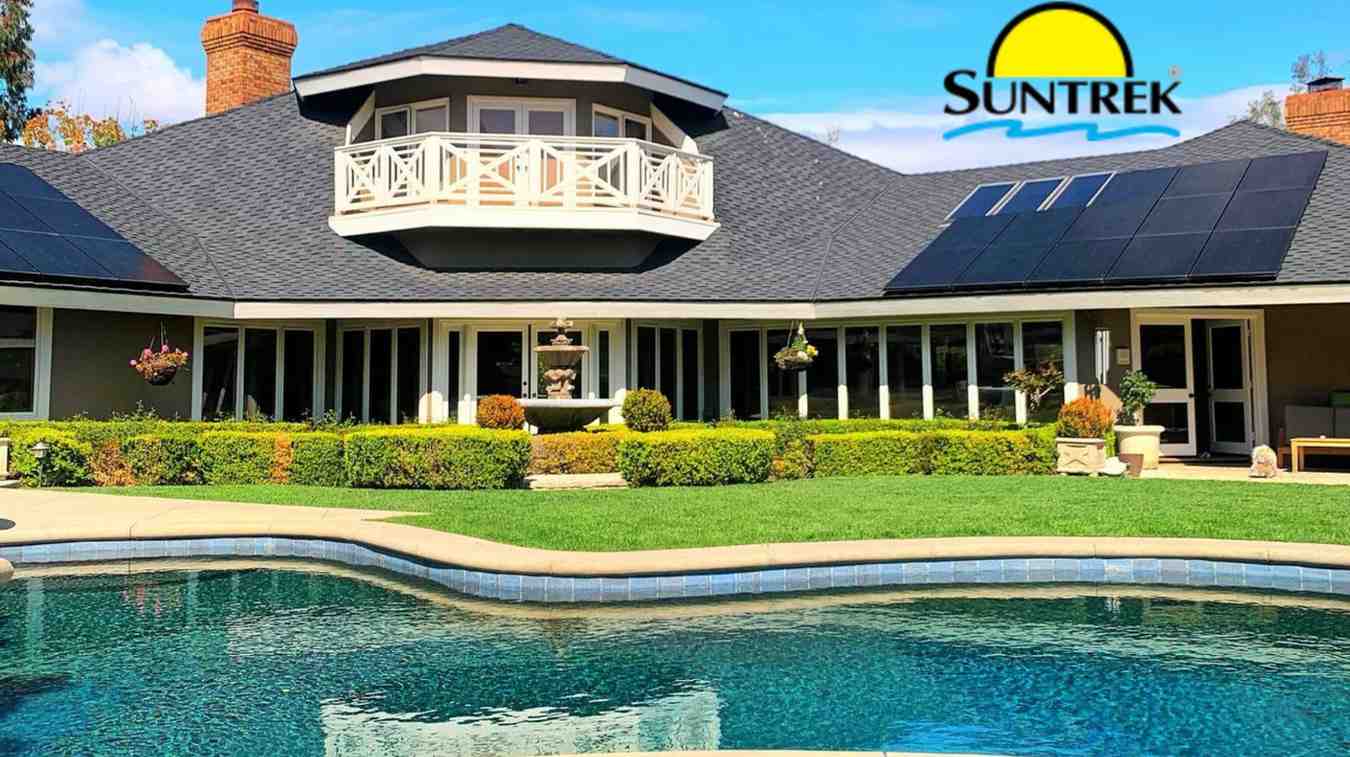

Sizing Automation for Inground Pools
Automation components must be matched to your pool’s flow rate and your collector array size. Undersized components restrict flow. Oversized components add cost without benefit.
Flow Rate and Pipe Sizing
Inground pools typically run higher flow rates than above ground pools. The plumbing between your equipment and collectors must be sized to handle that flow without creating pressure problems.
Suntrek uses these guidelines:
Flow Rate | Minimum Pipe Size |
0-30 GPM | 1½” Schedule 40 PVC |
31-50 GPM | 2″ Schedule 40 PVC |
51-70 GPM | 2½” Schedule 40 PVC |
Your existing pump determines flow rate. Suntrek matches pipe sizing and valve selection to your pump capacity during system design.
Collector Coverage
Automation works regardless of collector array size, but array size determines how much heat your system can produce. Optimum coverage ranges from 80% to 100% of your pool’s surface area. Systems sized at 50% of pool surface area will still provide noticeable heating during your swim season.
Larger arrays benefit more from automation because they capture more heat throughout the day. Manual systems often miss heating opportunities during midday or lose heat in the evening when the owner forgets to close valves. Automation captures every available hour.
Collector Compatibility
Automation works with both Suntrek collector types. Your choice depends on roof layout and installation requirements, not automation compatibility.
Spec | Suntrek Custom | Suntrek ST |
Material | EPDM rubber (flexible) | Polypropylene (rigid) |
Sizing | Custom lengths up to 50 ft | 4’x8′, 4’x10′, 4’x12′ panels |
Best for | Complex roofs, obstacles | Standard rectangular roofs |
Mounting | Adhesive and strapping | Gator Clamps |
Max pressure | 40 psi | 90 psi |
Warranty | 15 years | 10 years |
Manual vs. Automated Operation
Some pool owners start with manual valves and upgrade to automation later. Others install automation from the start. The difference comes down to how much attention you want to give the system.
Manual Systems
With manual valves, you decide when to send water through the collectors. This requires checking weather, opening valves in the morning, and closing them before evening. If you forget to open the valve on a sunny day, you lose that day’s heating. If you forget to close it at night, warm pool water circulates through cooling collectors and loses heat.
Manual systems work, but they depend on the owner staying engaged.
Automated Systems
Automated systems remove the daily decision-making. The controller monitors conditions continuously and operates the valve whenever heating is beneficial. You set your target temperature once and the system handles the rest.
Automation also protects the system. When the valve closes, collectors drain back to the pool automatically. This prevents heat loss through the panels at night and protects piping from freeze damage if temperatures drop.
Adding Automation to an Existing System
If you already have Suntrek collectors installed with manual valves, you can upgrade to automation without replacing the collectors or replumbing your system.
What the Upgrade Requires
- Pentair Solar Touch Controller
- Compool Valve Actuator
- Pentair Solar Valve (replaces existing manual valve)
- Temperature sensors for collector and pool water
How It Connects
The controller mounts near your existing pool equipment. Sensors install at the collector array and in the pool plumbing. The valve actuator attaches to the new solar valve in place of your manual valve. Once connected, the controller manages operation automatically.
When Upgrading Makes Sense
Automation is worth considering if:
- You frequently forget to open or close valves
- You want consistent pool temperature without daily monitoring
- You’re away from home during peak heating hours
- You want automatic drain-back protection for your collectors
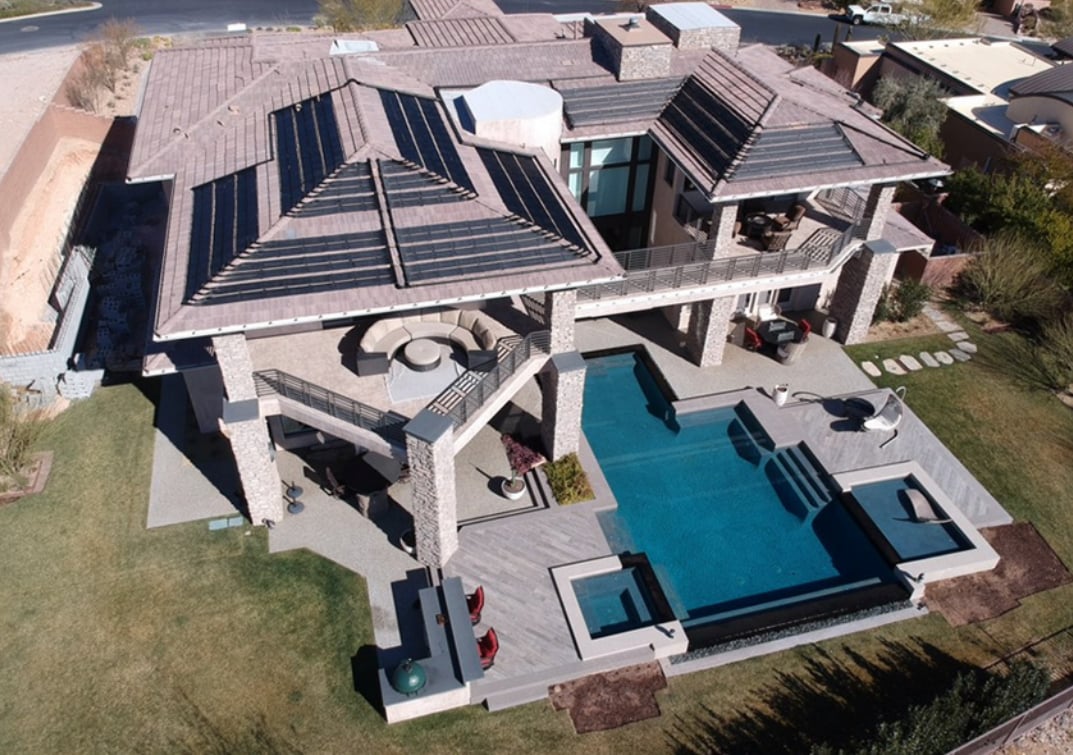
Professional Installation
Professional Installation
Suntrek technicians handle controller mounting, sensor placement, valve installation, and system integration. Professional installation includes:
- Verifying flow rate and pipe sizing
- Installing controller and connecting to power
- Mounting sensors at collector and pool
- Replacing manual valve with automated valve and actuator
- Pressure testing the system
- Walking through operation with the homeowner
Warranty Coverage
Collector warranties apply to the panels themselves:
- Custom collectors: 15-year warranty, 20+ year expected lifespan
- ST collectors: 10-year warranty
FAQs
Suntrek sizes pipe and components based on your pump capacity. Systems can accommodate flow rates from 0-70 GPM with appropriate pipe sizing.
Yes. Suntrek automation connects to your existing equipment. You don’t need to replace your pump or filter.
Yes. If you have Suntrek collectors with manual valves, upgrading requires a controller, valve actuator, solar valve, and temperature sensors. The collectors stay in place.
Both work equally well. Automation controls valve operation, which is independent of collector type. Choose collectors based on your roof layout and pressure requirements.
The valve closes and collectors drain back to the pool. When power returns, the controller resumes normal operation.
The controller and valve actuator use minimal electricity. The system still relies on your existing pool pump for circulation, so pump energy costs remain the same whether you run manual or automated.