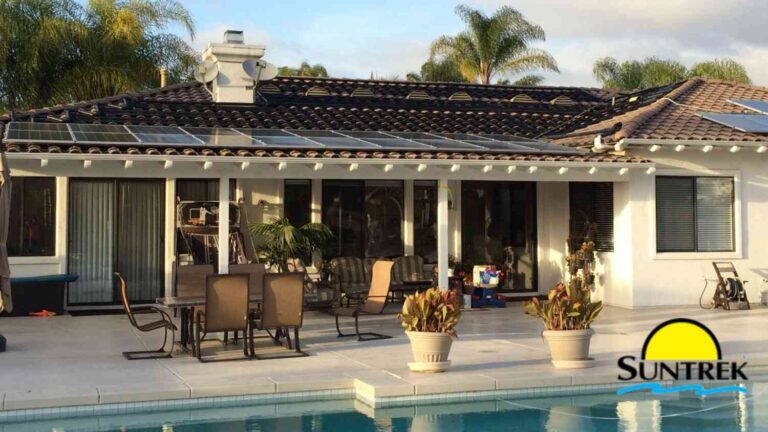
Many homeowners struggle with inconsistent access to hot water and feel the growing pressure to make smarter choices for their property. These concerns often lead property owners to look for options that offer better consistency without adding more work to their daily routine.
A solar water heater offers a steady and efficient way to heat water, helping you transition away from traditional systems that rely on changing conditions. Once you take a closer look, a few reasons consistently stand out for why so many homeowners end up considering it.
A solar water heater is a common upgrade for owners who want a smoother, more dependable way to heat water. The advantages show up fast, making it a practical solution. Here are the key reasons homeowners often choose to make the switch:
Rising energy prices make hot water one of the most expensive parts of running a home. Solar water heaters reduce this strain by using renewable energy instead of electricity or gas.
Solar water heaters reduce reliance on electricity or gas, lowering monthly utility bills. With durable construction and minimal maintenance requirements, they continue providing low-cost hot water for years after the initial investment.
Solar water heaters run with zero emissions because they use sunlight instead of fuel, reducing your household’s carbon footprint.
The positive effect reaches past one home, helping support climate efforts on a larger scale. Owners who choose solar cut their carbon output while keeping the same level of comfort. This choice also supports energy independence by lowering exposure to rate hikes and reducing the need for gas or electric water heaters.
Solar water heating systems feature simple designs with few moving parts, minimizing maintenance requirements and potential points of failure. Most systems need only basic annual inspections to ensure optimal performance.
The durable construction withstands various weather conditions without frequent repairs or component replacements. This reliability reduces long-term ownership costs and hassle compared to conventional water heaters.
Properties equipped with solar water heaters often command higher market values and attract environmentally conscious buyers. Studies show homes with solar features typically sell faster than comparable properties without these upgrades.
Buyers recognize the ongoing energy savings and reduced operating costs these systems provide. The installation demonstrates forward-thinking property management and commitment to sustainable living.
Read More: So What’s the Best Heating Solution for My Pool?
Solar water heaters use sunlight to warm water through a collector system, a storage tank, and a circulation process that moves heated water where it’s needed. Different system designs work in their own way, but all rely on converting solar energy into heat that supports daily hot-water use. Below is a clear breakdown of the main system types and how each one operates.
ICS units combine the collector and storage tank in one setup. Sunlight heats the water directly, which then flows into your existing heater already warmed. They usually store up to 40 gallons and work best in mild, non-freezing climates.
These systems rely on natural circulation, warm water rises, cool water sinks. Sunlight heats the collector, and the warmer fluid moves into the tank without needing a pump. They perform well in areas with consistent sunlight.
Active systems use pumps to move water or heat-transfer fluid through the collectors. Open-loop designs heat water directly, while pumps run only when enough solar energy is available. They’re a good fit for homes with higher hot-water demand.
Closed-loop setups circulate a protected heat-transfer fluid through the collectors. The fluid warms household water through a heat exchanger, making these systems reliable in colder climates where freeze protection is essential.
Even though solar water heaters have been around for decades, a lot of homeowners still hesitate because of ideas that don’t match how these systems actually work. Some of the most common myths include:
Related Article: Roof Attachment Methods for Solar Installations
Solar water heaters demonstrate remarkable adaptability across multiple settings. Their durability and efficiency make them suitable for diverse applications requiring a reliable hot water supply. Property owners implement these systems in various contexts to meet specific heating needs.
Professional solar panel installation timelines vary depending on system complexity and property configuration. Most installations cause minimal disruption to daily routines while maintaining roof integrity and appearance.
Here’s a step-by-step look at a typical solar water heater installation:

If you’re considering solar water heating, consulting with a trusted solar company can help you understand whether this solution fits your property. A knowledgeable team can evaluate your home, energy needs, and potential system designs to ensure you get the most out of your investment. Here are the key factors solar experts usually consider:
For a clearer understanding of how a solar water heater can work for your property, it’s best to talk with experienced professionals. Contact Suntrek for tailored assessments and guidance to help you make the right decision for your home’s energy needs.