Roof replacements rank among the most common reasons homeowners with solar energy systems need to temporarily take their panels offline. Roofing contractors need full access to the deck and underlayment, which means every panel, rail, and wire must come off before new materials go down. The system is disconnected, removed, and stored until the roofing project wraps up, then reinstalled and tested to confirm everything is producing energy the way it should.
At Suntrek Solar, we help homeowners manage solar panel removal and reinstallation with careful planning, professional system handling, and coordinated scheduling to minimize downtime and maintain long-term solar performance.
Solar panels usually need to be removed during a roof replacement because roofing contractors require full access to the roof surface underneath the solar system. Attempting to replace roofing materials around mounted panels can create installation problems, safety concerns, and future leak risks. Proper removal allows the roofing work to be completed correctly while protecting the integrity of both systems.
Roof replacement requires contractors to remove old shingles, inspect roof decking, and install new roofing materials across the entire roof surface. Solar panels and mounting hardware can block access to these areas, making proper roofing installation difficult without full system removal.
Solar mounting systems are directly attached to the roof structure using penetrations and flashing systems. During roof replacement, these attachment points often need to be removed and resealed to ensure the new roof maintains proper waterproofing and structural integrity.
Keeping solar panels in place during roofing work may increase the risk of hidden roof damage, improper flashing installation, or future leaks around mounting points. Full removal helps reduce the likelihood of long-term roofing and solar system complications.
Solar panels, wiring, and inverters are sensitive electrical components that require careful handling during disassembly. Professional solar contractors help protect the equipment from physical damage, wiring issues, or improper reconnection during the roof replacement process.
Solar panel removal and reinstallation follows a step-by-step process designed to safely disconnect the system, protect the equipment, and restore full solar functionality after roofing work is completed. Proper coordination between the solar contractor and roofing company helps minimize delays and system downtime.
The process usually begins with a full inspection of the existing solar system, roof condition, mounting hardware, and electrical connections. This evaluation helps identify any components that may need replacement, upgrades, or repairs during reinstallation.
Before any panels are removed, the solar system is safely powered down and disconnected from the home’s electrical system. Proper shutdown procedures are important for protecting both technicians and system equipment during removal.
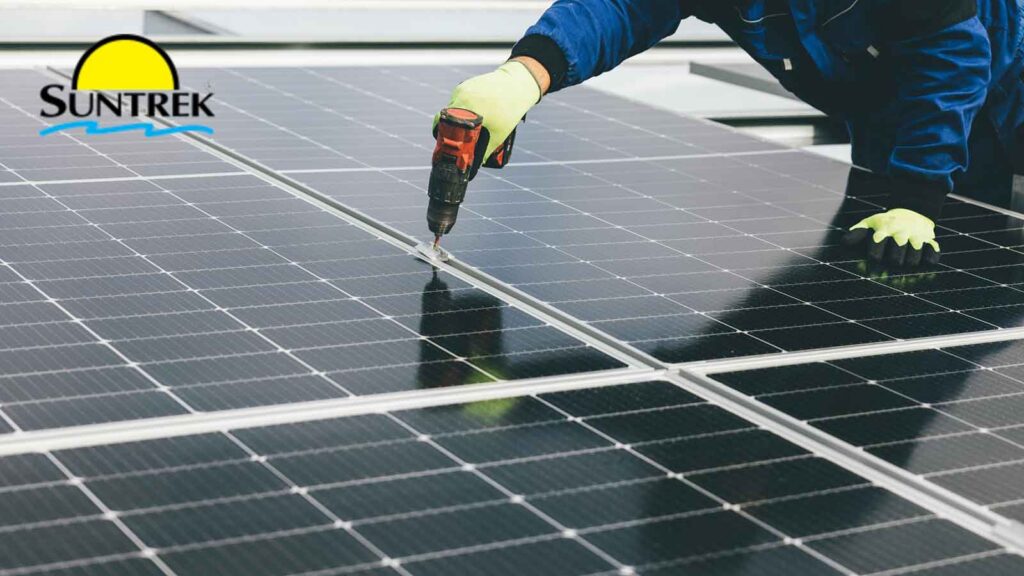
Technicians carefully remove the solar panels, racking components, mounting hardware, and electrical wiring connected to the roof system. Components are typically labeled and organized to support accurate reinstallation later.
Once removed, the solar panels and related equipment are stored in a secure location while the roofing work is completed. Proper storage helps protect panels from accidental damage, moisture exposure, or handling issues.
After the solar equipment is removed, the roofing contractor completes the roof replacement process. Once the new roofing system is installed, the roof is prepared for solar mounting hardware reinstallation.
After roofing work is complete, the solar panels and system components are reinstalled, reconnected, and tested to confirm proper operation. Final inspections help ensure the system is functioning safely and efficiently before being fully reactivated.
Several factors can influence the overall cost of solar panel removal and reinstallation during a roof replacement project. Because every roofing system and solar setup is different, pricing often varies based on system size, roof complexity, equipment condition, and labor requirements.
Larger solar systems with more panels and electrical connections typically require additional labor and time for both removal and reinstallation. The number of mounting points and wiring connections also affects project complexity.
Steep roofs, multi-story homes, tile roofing, and complex roof layouts may increase labor difficulty and safety requirements. Limited roof access can also extend project timelines and installation complexity.
Older systems or damaged components may require repairs, replacement parts, or updated mounting hardware during reinstallation. Technicians may also identify wear or electrical issues that should be addressed before reconnecting the system.
The scheduling coordination between the roofing contractor and solar company can affect labor efficiency and project duration. Delays in roofing completion may extend solar equipment storage and overall downtime.
Some local jurisdictions may require updated permits, inspections, or utility approvals during solar panel reinstallation. Permit costs and compliance requirements can vary depending on local building regulations.
Professional solar panel reinstallation is important because improper reconnection, mounting, or flashing installation can affect both roof performance and solar energy production. Proper reinstallation helps protect the roof from leaks while ensuring the solar system operates safely and efficiently.
Solar mounting penetrations must be properly sealed and flashed to prevent water intrusion. Professional installers ensure mounting hardware integrates correctly with the new roofing system to reduce future leak risks.
Panel placement, tilt angle, and spacing all affect solar performance. Reinstalling the panels correctly helps maintain expected solar production and system efficiency after the roof replacement is complete.
Solar systems involve high-voltage electrical components that require proper reconnection and testing. Licensed professionals help ensure the system complies with electrical codes and operates safely.
After reinstallation, technicians perform inspections and performance testing to verify the system is producing energy correctly. This process helps identify potential issues before the system returns to full operation.
Improper removal or reinstallation may affect equipment warranties or roofing warranties. Working with experienced solar professionals helps preserve warranty coverage and long-term system reliability.
At Suntrek Solar, we help homeowners manage solar panel removal and reinstallation projects with careful system handling, professional coordination, and long-term performance in mind. Our team works closely with roofing contractors to help streamline the process while protecting both the roof and solar investment.
Our technicians are trained to safely disconnect, remove, store, and reinstall solar energy systems while protecting critical electrical and structural components throughout the project.
Before and after reinstallation, we inspect the solar system to identify potential issues, verify safe operation, and help maintain long-term system efficiency.
Once your panels are back in place, our team is available to diagnose and resolve any performance issues that may arise. From corroded electrical connections and inverter malfunctions to damaged wiring, we offer comprehensive solar panel repair services to restore your system’s efficiency and protect your long-term energy savings.
Regular maintenance is essential after any removal and reinstallation project. Suntrek Solar provides thorough inspections of plumbing, electrical connections, inverters, sensors, and collectors as part of our scheduled solar panel maintenance to help you avoid costly repairs and extend the life of your system for decades to come.
If your roof replacement presents an opportunity to upgrade or expand your solar setup, our team handles everything from custom system design and permitting to panel placement and grid integration through our residential and commercial solar panel installation services.
If you’re moving to a new home or business location, Suntrek Solar manages the full removal and reinstallation of your existing system at your new address through our solar system relocation services, handling all makes and models with decades of hands-on experience.
A roof replacement or system reinstallation is also a great time to add backup power to your setup. Suntrek’s solar battery storage systems allow you to capture excess energy for use at night or during outages, protecting your home from rising utility costs and unexpected power disruptions.
At Suntrek Solar, our commitment to homeowners goes beyond the removal and reinstallation project itself. From the initial system disconnect to the final performance verification, our technicians handle every step with the care and expertise your solar investment deserves. As a full-service solar system service provider, we support homeowners through every phase of their solar journey, ensuring your system continues to deliver reliable, clean energy for years to come.
When it comes to protecting your solar investment during a roof replacement, working with experienced professionals makes all the difference. Contact Suntrek Solar today to schedule your solar panel removal and reinstallation and let our team handle every detail with the precision and care your system deserves.
In most cases, yes. Roofing contractors usually need full access to the roof surface beneath the solar panels to properly replace roofing materials and inspect the roof structure.
The timeline depends on system size, roof complexity, and roofing project duration. Solar removal may take one to two days, while reinstallation is completed after the roofing work is finished.
Some roofing companies may offer solar removal services, but licensed solar professionals are typically recommended because solar systems involve electrical components and specialized mounting systems.
Professional removal and reinstallation are designed to protect the panels and system components from damage. Improper handling, however, can affect equipment performance or warranties.
In some cases, existing mounting hardware can be reused if it remains in good condition. However, damaged or outdated components may need replacement during reinstallation.
A properly installed system should generally maintain similar energy production levels. Final testing helps confirm the system is operating correctly after the roof replacement.
Coverage varies depending on the insurance policy and the reason for the roof replacement. Homeowners should review their policy details or speak with their insurance provider for clarification.
Roof lifespan depends on the roofing material, climate conditions, and installation quality. Many homeowners replace older roofs before installing solar panels to avoid future removal costs.