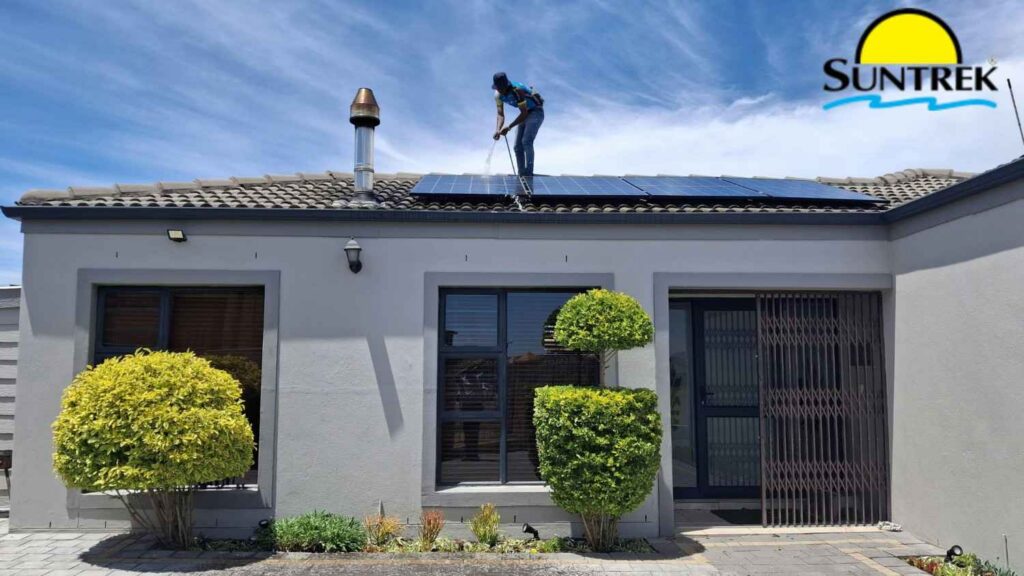
Property changes, shading issues, and system upgrades are just a few of the most common reasons a solar system needs to move. It is not a sign that something went wrong. It is a sign that the property evolved.
Whatever the reason may be, the process needs to be handled correctly to protect performance and avoid roof damage. Suntrek Solar manages the full scope through our solar panel relocation service, serving properties across Southern California, Northern California, and Las Vegas, NV.
When Should You Consider Moving Your Solar System?
Not every property change requires a relocation, but some make it the obvious next step. Here is how to think through the decision.
- Moving to a new property. Panels can technically be moved to a new residence if the equipment is fully owned. That said, the logistics and costs involved make it worth evaluating carefully before committing. Leaving a newer system behind can also increase resale value and attract buyers willing to pay a premium for an existing, functional array.
- Roof replacement or repair. Solar panels outlast most roofing materials. When the roof underneath needs work, the system has to come off temporarily before roofers can access the structure. This is the most common trigger for a removal and reinstall.
- Home additions creating new shade. A second story, a large extension, or a covered structure can suddenly put panelsin the shade. Moving them to an unaffected section of the roof restores output without replacing the system.
What Changes on a Property That Make Relocation Necessary?
Some changes are cosmetic. Others directly affect how a solar system performs. These are the property-level shifts that typically drive a relocation decision.
- New structures blocking sunlight. Additions, outbuildings, or neighboring construction that cast shade over previously clear roof sections significantly reduce panel output.
- Roof reconfiguration. A remodel that changes the shape, pitch, or layout of a roof may eliminate the original mounting location.
- System expansion requiring a new layout. Adding more panels sometimes means rearranging the existing array to fit the updated configuration on the available roof space.
- Commercial tenant improvements. New rooftop equipment, such as HVAC units, can conflict with an existing solar layout, requiring the system to be moved to a clear section of the roof.
For properties heading into a roof replacement, read Solar Panel Removal and Reinstallation: What to Expect During a Roof Replacement to understand what happens to the system during that process.
Step by Step: What to Expect During a Solar Panel Relocation
Relocation follows a defined sequence. Skipping steps is where problems start.
- Site assessment. The proposed new location is evaluated for orientation, pitch, shading, and structural suitability before anything is moved.
- Most jurisdictions in California and Nevada require a permit for solar relocation. Suntrek Solar handles this as part of the process.
- System disconnection. The existing system is safely taken offline and all original roof penetrations are sealed to prevent moisture intrusion.
- Careful removal. Panels, racking, and wiring are removed and inspected. Any components showing wear are flagged before reinstallation.
- Reinstallation at the new location. The system is mounted, wired, and connected at the new position with all penetrations properly sealed.
- Testing and commissioning. Output is verified before the job is closed out to confirm the relocation achieved its intended result.
Can You Relocate Only Part of Your Solar System?
In some cases, yes. If only a section of the array is affected by new shading or a roof change, it may be possible to move a portion of the panels while leaving the rest in place. Whether a partial or full relocation makes more sense depends on the layout of the new location, how the system is wired, and whether splitting the array affects overall output. A site assessment will determine the right approach.
For a broader look at the value solar brings today, Are Solar Panels Worth It in 2026? covers what current incentives and technology mean for the decision.
Why Working With a Licensed Solar Company Matters for Relocation
Relocation done incorrectly creates problems that are not always visible right away. Here is what is at stake when the work is not handled by a licensed installer.
- Voided warranties: Most equipment warranties require that removal and reinstallation be performed by a licensed installer. Work done outside of that condition can void coverage on panels and inverters.
- Unsealed penetrations: Old mounting holes that are not properly closed after removal become entry points for moisture. This is one of the most common and costly oversights in a poorly managed relocation.
- Code violations: Unpermitted relocations create complications for property sales, insurance claims, and future service work.
- Performance loss: Moving panels to a suboptimal position without a proper site assessment defeats the purpose of the relocation entirely.
Working with a licensed solar company ensures the job is done to code, warranties stay intact, and the system performs as expected in its new position.
Is It Ever Better to Replace Than Relocate?
Relocation is not always the right answer. Depending on the age of the system, the ownership structure, and the condition of the destination roof, starting fresh with new equipment can be the more practical and cost-effective path. The goal is maximizing long-term energy value, not simply moving hardware from one spot to another.
In some cases, a solar panel removal or reinstallation is the smarter starting point, giving a clear picture of the system’s current condition before any decision is made. Sometimes the smarter move is starting fresh rather than moving an older system. A few factors worth weighing:
- Equipment age: Solar panels last 25 to 30 years. If a system is only one to three years old, relocation allows the investment to keep paying off. If it is closer to the end of its lifespan, upgrading to newer, higher-efficiency equipment at the new location may deliver better long-term value.
- Leased systems and PPAs: Systems under a lease or Power Purchase Agreement generally cannot be relocated without penalties. Relocation is typically only an option for fully owned equipment.
- New roof compatibility: If the destination property has a smaller roof, a different pitch, or different energy demands, the existing array configuration may not translate without high additional cost.
Start With a Site Assessment
The right decision, whether that is relocation, replacement, or leaving the system in place, starts with understanding what the current setup is doing and what the new location can support. Suntrek Solar evaluates both sides of that equation before any work is scheduled.
Serving Southern California, Northern California, and Las Vegas, NV. Contact Suntrek Solar today to schedule your assessment.
Frequently Asked Questions
Can I take my solar panels with me when I move to a new house?
If you own the equipment outright, relocation to a new property is possible. The decision comes down to the age of the system, the compatibility of the new roof, and whether the cost of moving makes more sense than leaving the system for the next owner or investing in new equipment at the new property.
How long does a solar panel relocation take?
Most residential relocations are completed within one to two days once permitting is in place. Projects involving larger systems or more complex wiring may take longer.
Will my output change after relocation?
If the new location is properly assessed and the system is installed correctly, output should stay the same or improve. The site assessment before the move is what ensures the new position actually performs.
Do I need a permit to relocate my solar system?
In most cases in California and Nevada, yes. Suntrek Solar manages the permitting process as part of the relocation service.
What happens to the old mounting holes after panels are moved?
All original penetrations are sealed during the removal process as a standard part of the job. This step prevents moisture intrusion and protects the roof at the previous mounting points.
Does relocating my solar system void my warranty?
It depends on the manufacturer and the terms of the warranty. Most equipment warranties require a licensed installer to perform any removal or reinstallation. Suntrek Solar is a licensed installer, so work performed by the team meets that standard. It is worth reviewing your specific warranty terms before scheduling any work.